Understanding Green Waste: How to Manage It Responsibly
Green waste is one of the most common types of household and garden waste. From lawn clippings to tree prunings, managing green waste properly helps the environment, reduces landfill pressure and keeps local areas safe and tidy. This guide explains what green waste includes, why correct disposal matters and practical ways to manage garden waste — including when to choose a skip bin.
What is Green Waste?
Green waste refers to biodegradable organic material produced from gardens, parks and landscaping. Typical items include:
- Grass clippings and lawn trimmings
- Leaves, small garden debris and plant cuttings
- Branches, twigs and prunings (often chipped)
- Flowers, potting mix and small shrubs
Why Proper Green Waste Disposal Matters
Correctly disposing of green waste delivers several benefits:
- Environmental benefits: Composting green waste returns nutrients to soil and reduces the need for chemical fertilizers.
- Lower greenhouse gases: Sending green waste to landfill produces methane. Composting or recycling avoids this.
- Community safety and hygiene: Piles of garden waste can attract pests or create fire hazards if not managed.
How to Manage Green Waste Efficiently
Choose the method that fits the volume of waste and accessibility of your site:
- Composting: Ideal for households with manageable amounts of garden waste. Compost bins or heaps transform clippings and small prunings into nutrient-rich soil conditioner.
- Local council collection: Many councils run scheduled green-waste pickups or offer paid collections. This is convenient for regular, moderate volumes.
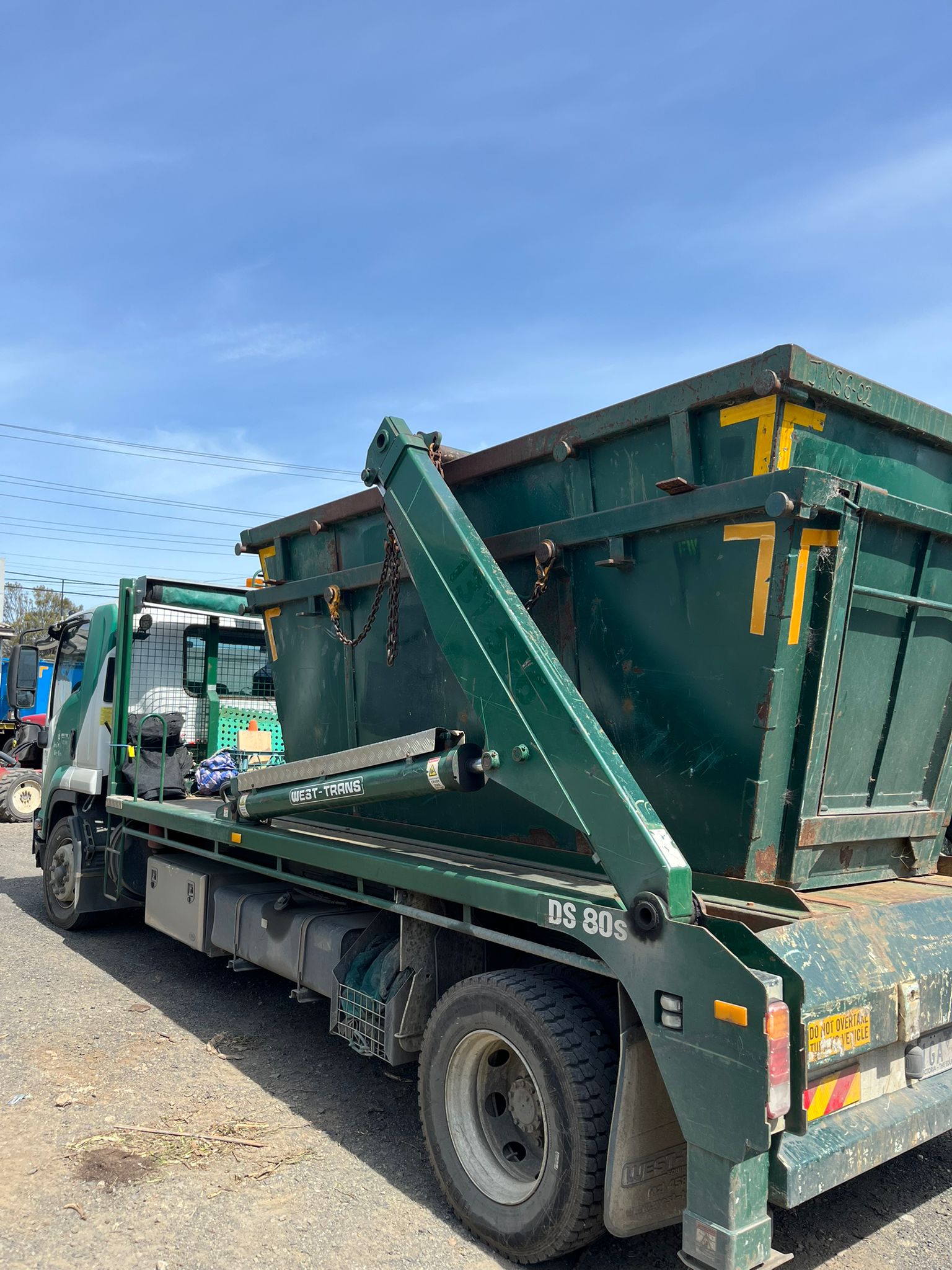
- Skip bin hire: Best for large landscaping jobs, tree removals or renovations. A skip allows fast, single-drop disposal of substantial volumes and is collected by the provider.
Green Waste and Skip Bins — Practical Advice
If you rent a skip for green waste, keep these practical points in mind to avoid delays or extra charges:
- Accepted items: Branches, prunings, grass, bedding plants and most garden refuse are normally fine.
- Chipping large branches: Large logs/branches may be better chipped first to save space and meet weight limits.
- Prohibited/hazardous items: Do not place asbestos, batteries, tyres, paints, oils or other hazardous materials in green-waste skips.
- Weight limits: Heavy or wet green waste can be heavier than expected — check your provider's limits to avoid surcharges.
- Permits & placement: If the skip will go on the street, council permits and safety signage may be required — confirm before delivery.
Tips for Loading and Site Safety
- Distribute weight evenly: Place heavier items near the base and avoid piling everything to one side.
- Break down bulky items: Cut branches into shorter sections to maximise bin capacity.
- Protect surfaces: Use boards or mats under the skip to avoid damage to driveways or lawns.
- Keep access clear: Ensure the delivery truck has clear access and remove low branches or obstacles beforehand.
Choosing the Right Size
Select a skip size based on the estimated volume of waste and space for placement. For garden projects, a medium or large skip is often ideal — if in doubt, consult your provider with photos of the waste and site for a quick recommendation.
Conclusion
Proper green waste management protects the environment, reduces landfill emissions and keeps your neighbourhood safe. Whether you compost at home, use council services, or hire a skip for a larger project, planning ahead will save time and money. If you need help choosing the right skip size or arranging collection, get in touch and we’ll guide you through the best option for your job.